Camel CountedCross Stitch Pattern Review for Business Merch
As an embroidery designer who spends most of my days digitizing logos and prepping files for commercial machines, I approach Camel CountedCross Stitch Pattern with a specific lens. I am not just looking at whether it is cute; I am evaluating its viability as a scalable asset for small business merchandise. In the world of branded patches, custom apparel, and handmade product labels, the difference between a hobbyist design and a professional brand marker often comes down to simplicity, contrast, and execution. This review breaks down how this specific graphic performs when moved from a digital PDF to physical goods like tote bags, staff uniforms, and retail packaging.
First Impressions: A Minimalist Asset for Modern Brands
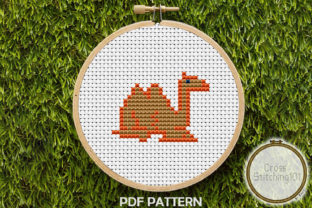
Upon reviewing the specifications—25 stitches wide by 18 stitches high using only 3 DMC thread colors—the immediate impression is one of intentional minimalism. For a small business owner, particularly in sectors like boutique cafes, florists, or pet brands, this aesthetic is gold. The design does not scream for attention with complex shading or thousands of stitches; instead, it offers a clean, iconic silhouette. This "less is more" approach aligns perfectly with current trends in brand identity, where logos need to be recognizable even at tiny sizes. The limited color palette suggests a design that will remain cost-effective to produce while maintaining a premium, handmade feel. It feels rustic yet modern, making it versatile enough for a hip coffee shop apron or a chic boutique hang-tag.
Real-World Application in Commercial Embroidery
The true test of any digital embroidery file or pattern intended for business use is its adaptability across different mediums. Here is how Camel CountedCross Stitch Pattern translates into real-world small business merch:
- Embroidered Patches: With dimensions of roughly 1.79 x 1.29 inches on 14 count fabric, this design is ideally suited for woven or embroidered patches. Its compact size makes it perfect for iron-on labels inside custom apparel or as a chest logo accent on work shirts.
- Staff Uniforms and Aprons: For bakeries and creative studios, apron embroidery needs to withstand frequent washing without losing definition. The low stitch count (25w x 18h) reduces the risk of puckering on heavy cotton twill, ensuring the camel icon remains crisp after dozens of laundry cycles.
- Cap Embroidery: Placing designs on curved surfaces like baseball caps can be tricky. However, the simple geometry of this cross-stitch pattern minimizes distortion. It works excellently as a side-logo or a subtle front-center mark on dad hats, which are popular retail items.
- Tote Bag Design: Canvas totes are a staple for market vendors. This pattern provides a charming handmade product aesthetic that elevates a simple bag into a branded carrier. The three-color scheme allows for easy customization to match specific brand colors.
- Product Packaging Accents: Beyond fabric, the PDF nature of this file allows it to be used in printable mockup workflows. You can print the pattern on cardstock to create unique gift tags or include it in care instruction booklets, creating visual consistency across your design assets.
Technical Considerations for Production
While the design is promising, there are critical areas where a professional must exercise caution before committing to a large production run. Because this is fundamentally a Cross Stitch Patterns graphic intended for hand stitching or conversion, applying it directly to machine embroidery requires strategic planning.
If you are using this as a guide for hand-embroidered details on high-end garments, the stitch density is naturally low, which is excellent for fabric drape. However, if you are digitizing this into a machine embroidery design for mass production, you must ensure the satin stitches or fill stitches used to mimic the cross-stitch look do not become too dense. High density on such a small area can cause the fabric to pucker, especially on stretchy materials like t-shirts or soft knits.
Furthermore, the small physical size (approx. 4.55 x 3.27 cm) means that fine details could get lost if the thread colors do not have sufficient contrast. When working on dark uniforms, you must verify that the chosen floss colors pop against the background. A common mistake in commercial embroidery is assuming screen colors translate perfectly to thread; always pull physical thread swatches against your fabric stock.
Elevating Brand Identity and Customer Trust
In the eyes of a consumer, the quality of your merchandise reflects the quality of your core product. A sloppy logo on a tote bag suggests a sloppy service. Camel CountedCross Stitch Pattern, with its clean lines and defined shape, contributes positively to visual consistency. When customers see the same distinct camel icon on your website, your storefront signage, and their purchased custom apparel, it builds recognition and trust.
The "handmade" vibe inherent in cross-stitch aesthetics adds a layer of authenticity that big-box retailers cannot replicate. For Etsy sellers and craft business owners, leveraging this style signals that care and human touch went into the creation process. This emotional connection can increase the perceived value of the finished product, allowing you to command higher price points for your branded goods.
Essential Designer Notes for Implementation
Before you list this item in your shop or stitch it onto your next batch of inventory, follow these practical steps to ensure professional results:
- Test in Black and White: Before selecting your three DMC colors, visualize the design in grayscale. If the camel shape loses its definition without color, you may need to adjust the contrast or simplify the outline further for smaller applications.
- Verify Hoop Size and Stabilizer: Although the design is small, confirm that your hoop setup accommodates the placement location, especially for tricky items like cap fronts. Always use the appropriate stabilizer for your specific fabric texture; cut-away stabilizer is usually best for items that will be washed frequently.
- Check Licensing Terms: The product description mentions "Instant Download PDF" and "3 PDFs Included," but it does not explicitly detail commercial licensing rights. As a business owner, you must confirm with the creator that you have the right to use this pattern for goods you intend to sell.
- Create a Client Mockup: If you are fulfilling orders for other businesses, create a digital or physical mockup showing the camel design on their specific garment color. This manages expectations and ensures the embroidered patch or direct stitch looks correct before full production begins.
- Inspect Spacing: At 25 stitches wide, the spacing between stitch columns is critical. Ensure there is enough fabric showing between the crosses to prevent the design from looking like a solid, muddy blob, which defeats the purpose of the cross-stitch style.
In conclusion, Camel CountedCross Stitch Pattern represents a highly functional graphic for the modern maker. Its simplicity is its greatest strength, offering a versatile solution for branding across various textiles. By paying attention to thread contrast, stabilization, and licensing, small business owners can transform this simple PDF into a powerful tool for brand storytelling and revenue generation.