Eco Friendly World Earth Tree: A Designer's Review
As someone who spends more time staring at stitch maps than most people spend looking at their phones, I approach every new machine embroidery design with a mix of optimism and skepticism. We have all been there: you download a file that looks stunning on the screen, only to watch it turn into a bird's nest of thread breaks and puckering on the hoop. So, when I pulled up the Eco Friendly World Earth Tree for a potential client project, I didn't just look at the preview image; I looked for the structural integrity of the digitizing.
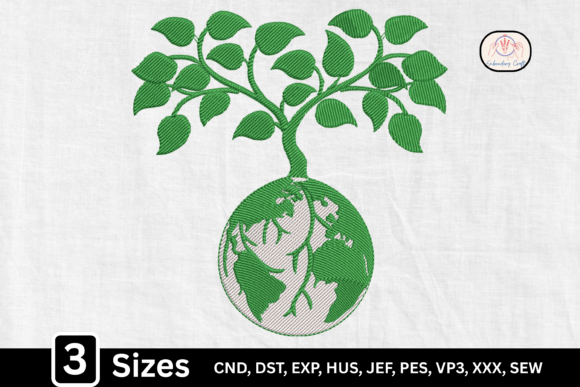
The first impression of this design is one of grounded optimism. The concept—a leafy green tree growing from the globe—is a classic motif for sustainability, but execution is everything. In the digital preview, the layout feels balanced. It isn't trying to be too busy, which is often where designs meant for the School category or eco-conscious branding fail. There is a clear visual hierarchy here. The tree acts as the focal point, rising naturally from the curvature of the earth, creating a silhouette that reads well even from a distance. For a designer, this "readability" is crucial. If a customer can't identify the subject matter within three seconds, the design has failed its primary job.
Real-World Application: The Tote Bag Test
To truly evaluate the Eco Friendly World Earth Tree, I imagined a specific real-life scenario: a custom order for a local botanical shop needing branded tote bags. These aren't just promotional items; they are statement pieces meant to be carried into grocery stores and coffee shops daily. This is where the rubber meets the road for any embroidery project.
For a canvas tote, this design shines. The organic shapes of the leaves and the circular nature of the globe lend themselves beautifully to the slightly rough texture of canvas or heavy cotton twill. When I visualized the stitch types, I anticipated a combination of fill stitch for the foliage to give it density and body, likely paired with a clean satin stitch border to define the edges of the continents and the tree trunk. This combination usually provides enough coverage to hide the fabric weave without becoming so dense that the bag becomes stiff.
However, placement is key. On a tote bag, you have a large field to work with, but you also have to consider how the bag folds. Placing the Eco Friendly World Earth Tree too low means it gets lost in the contents of the bag; too high, and the handles might obscure it. I would recommend centering it about three inches down from the top hem. This ensures maximum visibility while maintaining structural stability in the fabric.
Versatility Across Products
Beyond tote bags, this design has legs in several other categories. For custom apparel, specifically sweatshirts or hoodies, the design offers a great opportunity for texture play. A fleece background contrasts nicely with the tight stitching of the tree, making the green pop. For baby embroidery, perhaps on a onesie or a nursery pillow cover, the theme of growth and nature is perfect. However, scale matters immensely here. You cannot simply shrink a design intended for a jacket down to a chest logo on an infant garment without checking the detail level.
If you are an Etsy seller or run a small shop product line, this design fits perfectly into the "conscious consumer" niche. It works well for holiday embroidery gifts, particularly Earth Day or back-to-school items where the School connection emphasizes learning about nature. The visual personality is friendly and approachable, not overly corporate, which builds trust with buyers looking for handmade products with a message.
Technical Considerations and Potential Pitfalls
While the aesthetic is strong, we must discuss the technical realities of stitching the Eco Friendly World Earth Tree. No design is universal, and knowing where to exercise caution is part of professional due diligence.
- Fabric Texture and Stretch: On stretchy fabrics like jersey knit t-shirts, the density of the tree's foliage could cause puckering if the stabilizer isn't up to the task. I always advise using a cut-away stabilizer for designs with significant fill areas to ensure the finished product holds its shape after washing.
- Small Hoop Sizes: If you are attempting to put this on a cap or a small patch, check the dimensions carefully. Curved surfaces like caps distort designs. The circular element of the earth might look slightly oval if not hooped perfectly or if the design isn't specifically digitized for caps.
- Detail Loss: Look closely at the transition between the tree roots and the globe. In smaller sizes, fine running stitch details or tiny gaps between color blocks can fill in with thread, turning distinct lines into muddy blobs. Always stitch out a test on scrap fabric identical to your final material.
- Thread Color Contrast: The design relies heavily on greens and blues. On dark navy or black fabrics, ensure your thread colors are vibrant enough to stand out. Conversely, on white fabric, make sure the outline stitches are dark enough to define the shape.
Enhancing Brand Value and Professionalism
Using a high-quality design like the Eco Friendly World Earth Tree directly impacts your brand consistency and customer trust. When a client sees a clean, well-defined embroidered logo, they perceive higher value. Sloppy stitching or a design that wasn't suited for the fabric choice can undermine even the best marketing efforts. This design, with its clear themes of sustainability, helps tell a story. It transforms a simple garment into a conversation starter about environmental care.
For those creating printable mockups or digital product previews, the distinct shapes in this design render very well in photos. The contrast between the leafy textures and the smooth globe creates visual interest that stops the scroll on social media feeds. This engagement translates to better buyer conversion for online stores.
Final Designer Notes and Best Practices
Before you commit to a production run or list this as a new item in your craft business, take these practical steps:
- Check the Specs: Since specific file details like exact stitch count or compatible hoop sizes weren't provided in the initial description, verify these immediately upon download. Ensure the embroidery file format matches your machine.
- Test Your Thread: Run a test stitch-out using the exact thread brands you plan to sell with. Different threads have different sheens and thicknesses that affect how the stitch density appears.
- Licensing Check: Confirm the license terms. Can you use this for commercial embroidery? Are there restrictions on the number of items you can sell? Never assume a design is free for unlimited commercial use without reading the fine print.
- Mockup Variety: Create mockups on both light and dark backgrounds. See how the design assets translate across different product lines, from aprons to kitchen towels.
In conclusion, the Eco Friendly World Earth Tree is a versatile, meaningful addition to any designer's library. It bridges the gap between aesthetic appeal and thematic relevance, making it a strong candidate for everything from school projects to boutique merchandise. With careful attention to fabric choice, stabilization, and sizing, it can elevate your handmade product offerings and resonate deeply with customers who value both craftsmanship and the planet.