Floral Alphabet Letter D: A Designer's Review for Business Merch
As an embroidery designer who spends countless hours digitizing and testing files for commercial use, I approach every new digital embroidery file with a critical eye. It is not just about whether a design looks pretty on a screen; it is about how it performs under the needle, how it wears after fifty washes, and most importantly, how it elevates a brand. Today, I am reviewing the Floral Alphabet Letter D, a machine embroidery design that promises to add a subtle touch of charm and creativity to fabric projects. For small business owners, boutique operators, and apparel decorators, this review focuses on whether this asset can truly serve as a cornerstone for branded merchandise.
First Impressions: Visual Personality and Brand Fit
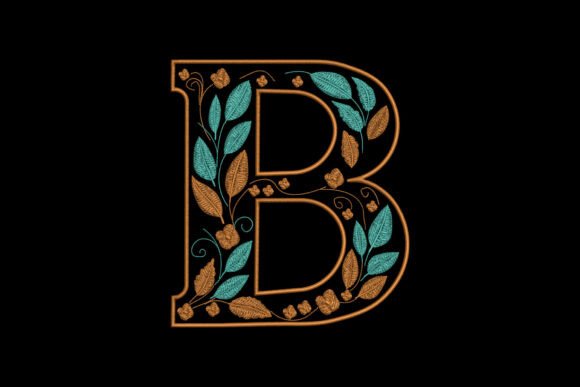
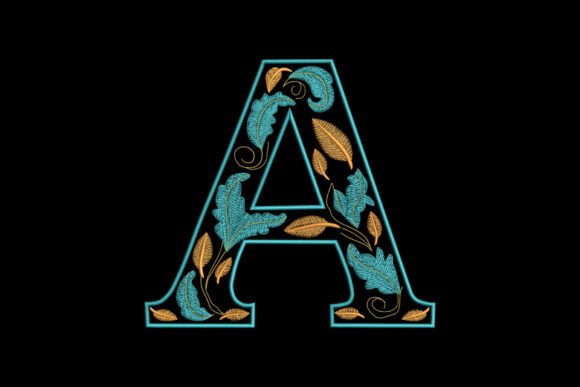
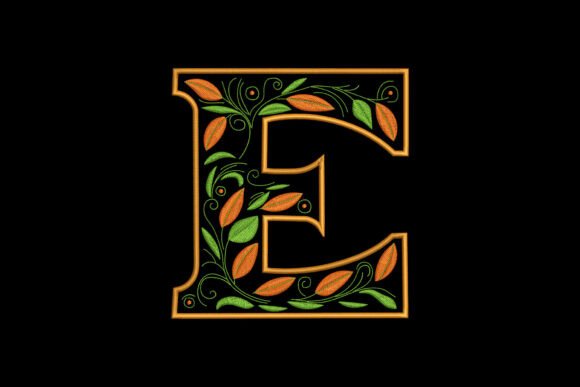
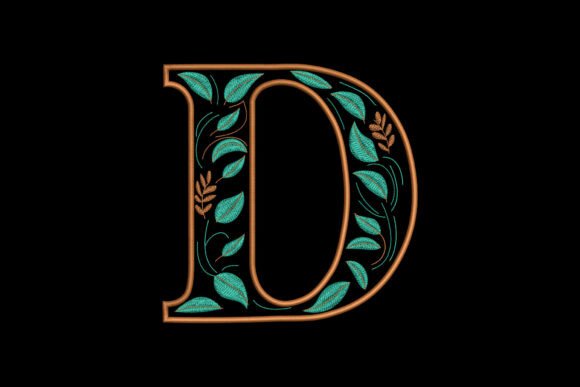
Upon loading the preview of the Floral Alphabet Letter D, the immediate impression is one of approachable elegance. Unlike stark, industrial block letters often used in corporate uniforms, this design leans heavily into the "handmade product" aesthetic. The integration of floral elements around the letter suggests a brand identity that is friendly, rustic, and deeply connected to nature or craftsmanship. This makes it an exceptional candidate for florists, bakeries, pet brands, and creative studios where the vibe needs to be warm rather than sterile.
The description notes its suitability for T-shirts and towels, which hints at a versatility that is crucial for small business merch. However, from a designer's perspective, the true test lies in its application as a logo accent. Does it look professional enough for a staff apron? Can it stand alone as an embroidered patch? The organic lines suggest it will excel in environments where "perfect" symmetry is less important than character. For a café or a boutique, this design communicates care and attention to detail without feeling overly rigid.
Real-World Applications for Small Business Merch
When considering where to deploy the Floral Alphabet Letter D in a commercial setting, the possibilities are vast but require strategic thinking. Here is how I envision this design performing across various business assets:
- Staff Uniforms and Aprons: For a local bakery or flower shop, placing this monogram on the chest pocket of an apron adds a personalized touch. It transforms a standard uniform into a piece of custom apparel that customers notice and remember.
- Branded Patches: This is perhaps the strongest use case. Sewing this design onto a twill backing to create an iron-on or sew-on patch allows for incredible flexibility. You can apply these patches to denim jackets, tote bags, or even packaging accents without committing to direct embroidery on difficult fabrics.
- Tote Bag Design: Canvas totes are a staple for retail shops. The floral details of the Letter D would pop beautifully against natural cotton, serving as a stylish alternative to a full-color printed logo.
- Cap Embroidery: While possible, this requires caution. The curved surface of a baseball cap can distort intricate floral outlines. If used here, it should be placed on the side panel rather than the front crown to maintain structural integrity.
- Customer Gifts and Event Merch: For limited edition runs or loyalty gifts, stitching this initial onto towels or tea sets creates a high-perceived value item that feels exclusive.
In the context of School projects or educational workshops, this design also fits well within the Embroidery category for teaching students about combining text and motif. However, for commercial entities, the focus must remain on consistency and durability.
Critical Considerations for Production Quality
While the aesthetic appeal is high, a professional review must address the technical challenges. The Floral Alphabet Letter D features detailed outlines and organic shapes that demand respect during the stitching process. There are specific scenarios where this design should be used carefully to avoid compromising the finished product.
First, consider stitch density. Floral designs often rely on satin stitches for petals and leaves. If the density is too high, the thread can bunch up, causing puckering, especially on lightweight fabrics like poly-cotton blends used in work shirts. Conversely, if the density is too low, the fabric may show through, ruining the premium look. Second, tiny lettering within complex floral arrangements can become illegible if scaled down too far. If you intend to use this as a small patch size (under 2 inches), you must verify that the fine details do not merge into a solid blob of thread.
Furthermore, textured fabric presents a challenge. On heavy canvas or rough linen, the delicate curves of the flowers might get lost in the weave. Dark uniforms also pose a risk; without proper underlay or high-contrast thread colors, the definition of the floral elements may vanish against black or navy backgrounds. Finally, items that need frequent washing, such as kitchen aprons, require a robust locking stitch strategy to prevent the floral edges from fraying over time.
Impact on Brand Identity and Customer Trust
Why does the choice of a single letter matter? In the world of handmade brands and Etsy sellers, visual consistency is the bedrock of customer trust. Using a cohesive design asset like the Floral Alphabet Letter D across all touchpoints—from the employee's shirt to the packaging tag—reinforces brand recognition. It signals professionalism. A sloppy or poorly chosen embroidery design can make a business look amateurish, whereas a well-executed, charming monogram suggests a curated experience.
This design specifically enhances the "handmade" narrative. In an era of mass production, consumers crave authenticity. When they see the texture of real thread forming a floral letter, it subconsciously validates the quality of the products you sell. It increases product value, allowing you to justify higher price points for your merchandise because the branding itself feels like an artisanal addition rather than a cheap afterthought.
Practical Notes from the Design Bench
Before you commit to a production run of hundreds of units, I strongly advise following these practical steps to ensure success with the Floral Alphabet Letter D:
- Test in Black and White First: Remove color variables to check the clarity of the shape and the balance of the floral elements against the letter.
- Check Small Patch Viability: Stitch a sample at your intended minimum size to ensure the details remain crisp and do not collapse.
- Review Thread Color Contrast: Ensure your chosen palette provides enough separation between the letter and the surrounding foliage.
- Inspect Spacing and Hoop Size: Confirm that the design fits within your available hoop size without requiring excessive re-hooping, which can lead to alignment issues.
- Test on Real Fabric: Always stitch on the actual material you plan to use, not just a scrap of muslin. Fabric texture changes everything.
- Use Proper Stabilizer: Given the likely density of floral fills, a high-quality cut-away or tear-away stabilizer is essential to prevent distortion.
- Create a Printable Mockup: Before stitching, generate a printable mockup to show clients or stakeholders exactly how the design assets will look on the final garment.
- Confirm Commercial Licensing: Since this is for business use, double-check the license terms included with the file to ensure you have the rights for commercial embroidery projects.
The product description mentions the design is perfect for T-shirts and towels but cuts off at "pi," likely implying pillows or similar items. Because exact specifications like stitch count, specific file formats, and precise hoop requirements are not fully detailed in the provided text, it is vital to request or download the full technical sheet before production. Do not guess these details; accurate data is the difference between a profitable run and wasted materials.
In conclusion, the Floral Alphabet Letter D is a potent tool for small business branding when used with intention. It bridges the gap between decorative art and functional logo design. By respecting its technical limitations and leveraging its charming aesthetic, embroidery shops and brand owners can create merchandise that not only looks beautiful but also builds a lasting connection with their customers.