Review: Helping Little Minds Wildflower Teacher Design
As someone who spends more time staring at stitch maps than most people spend looking at their phones, I approach every new machine embroidery design with a mix of optimism and skepticism. We have all been there: you buy a cute embroidery file, load it up, and halfway through the run, you realize the density is going to puckers your fabric into oblivion or the tiny text is going to turn into an unreadable blob. That is why I took a close look at the Helping Little Minds Wildflower Teacher design before committing it to a client project. This isn't just about whether it looks good on a screen; it is about how it performs when the needle hits the cloth.
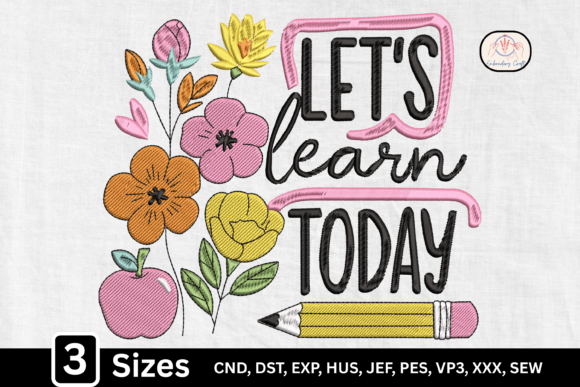
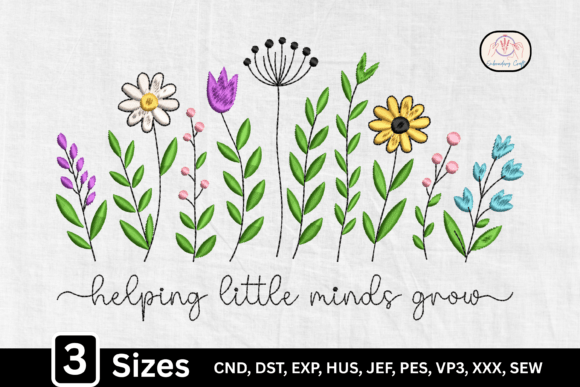
The first thing that strikes you about this design is its mood. It manages to balance the structured nature of School appreciation with the organic, free-spirited vibe of a wildflower meadow. The layout features whimsical flowers paired with a heartfelt quote, creating a visual personality that feels warm and inviting rather than stiff or overly institutional. For a designer, this is crucial. When you are creating a handmade product for a teacher, you want it to feel personal, not like it came off a factory conveyor belt. The flow of the floral elements around the text suggests a thoughtful composition that guides the eye naturally, which is often harder to achieve than it looks in digital design assets.
Real-World Application: The End-of-Year Gift Rush
To truly test the viability of this design, I imagined a very common scenario for many Etsy sellers and craft business owners: the end-of-school-year rush. Picture a customer ordering a custom tote bag design for their child's favorite educator. They want something durable enough to carry books but pretty enough to display pride. In this context, the Helping Little Minds Wildflower Teacher design shines because of its versatility. The floral theme transcends specific grade levels, making it a safe yet stylish choice for kindergarten through high school.
I also considered how this would translate to a sweatshirt embroidery project. Teachers often receive cozy gifts, and a crewneck with this design on the left chest or centered on the back would be a hit. The whimsical nature of the flowers softens the message, making it suitable for casual wear rather than just a formal gift. If you are running a small shop product line, this design could easily anchor a collection of spring-themed items, from aprons for the art room to pillow covers for a classroom reading nook. The key here is the emotional connection; the design doesn't just say "teacher," it says "thank you for nurturing growth," which increases the perceived value of your finished product.
Technical Performance and Stitch Quality
Now, let's get into the nitty-gritty technical details that determine whether a design is a joy to stitch or a nightmare to troubleshoot. While the specific stitch count and file formats aren't listed in the basic description, experienced embroiderers know what to look for in a design of this style. The combination of colorful flowers and text usually implies a mix of fill stitch for the petals, satin stitch for the stems or outlines, and potentially running stitch for finer details or lettering.
When evaluating the stitch density of floral designs, my main concern is always the overlap areas. If the flowers are too dense, they can cause the fabric to pucker, especially on lighter materials. Conversely, if the density is too low, the fabric might show through, ruining the color saturation. With Helping Little Minds Wildflower Teacher, the whimsical style suggests a slightly more open, airy feel, which is generally forgiving. However, you must pay attention to the text. Small lettering in embroidery is notoriously tricky. If the font size is too small relative to the hoop or fabric texture, the letters can fill in and become illegible. It is vital to inspect the preview closely or, better yet, run a test stitch on scrap fabric to ensure clarity.
Fabric choice plays a massive role here. This design would likely excel on medium-weight cottons, canvas tote bags, or stable twills found in caps and aprons. These materials provide the necessary support for the various stitch types without excessive shifting. However, caution is advised when using this on stretchy fabrics like jersey knits for t-shirts or baby clothes. Without a high-quality cut-away stabilizer, the pull of the flower fills could distort the garment over time. Similarly, if you are attempting this on a textured fabric like a waffle weave or a fuzzy towel, the fine details of the wildflowers might get lost. Always consider the fabric texture before promising a specific look to a client.
Strategic Considerations for Commercial Use
For those of us selling commercial embroidery services or digital products, the licensing terms are non-negotiable. Before listing this as a printable mockup or stitching it onto merchandise for sale, you must confirm the license included with the digital embroidery file. Some designers allow unlimited physical sales but restrict digital redistribution, while others have caps on the number of finished items. Assuming the license permits commercial use, this design has strong potential for boutique branding. It fits perfectly into the current trend of cottage-core and botanical aesthetics that are popular in home decor and fashion.
Color management is another area where your expertise as a designer comes into play. The description mentions "colorful whimsical flowers," which implies a vibrant palette. While this looks great on screen, you need to ensure your thread colors have enough contrast against the background fabric. A dark navy sweatshirt might require lighter, pastel thread choices to make the flowers pop, whereas a white tote bag could handle deeper, saturated hues. I recommend creating black-and-white mockups first to check the tonal values; if the design loses its definition in grayscale, it might struggle in real life regardless of the thread brand you use.
There are also specific scenarios where you should proceed with care. If a client requests this design on a curved surface like a cap, be mindful of the hoop size limitations and the distortion that can occur on the front panel. Detailed corners in floral designs can sometimes cause bird-nesting if the machine speed is too high or the stabilizer is insufficient. Furthermore, for items that will undergo frequent washing, such as kitchen towels or daily-use aprons, ensure that the underlay stitches are robust enough to prevent the design from lifting or fraying after multiple cycles.
Final Verdict for the Creative Entrepreneur
In the world of Embroidery, a design is only as good as its execution. The Helping Little Minds Wildflower Teacher design offers a charming, emotionally resonant option for anyone looking to create meaningful personalized gifts. Its strength lies in its ability to bridge the gap between professional appreciation and artistic expression. Whether you are an apparel decorator fulfilling a bulk order for a school district or a hobbyist making a one-off holiday embroidery gift, this design provides a solid foundation.
However, success depends on your preparation. Do not skip the step of testing on scrap material. Check the registration of the colors, verify that the smallest text elements are readable, and choose your stabilizer based on the specific garment weight. By treating this embroidery project with the technical respect it deserves, you can ensure that the final result honors the sentiment of the message. When done right, this design doesn't just decorate a piece of clothing; it elevates the entire brand perception of your handmade business, fostering customer trust and encouraging repeat engagement. It is a reminder that in our trade, the smallest details often make the biggest impact.